
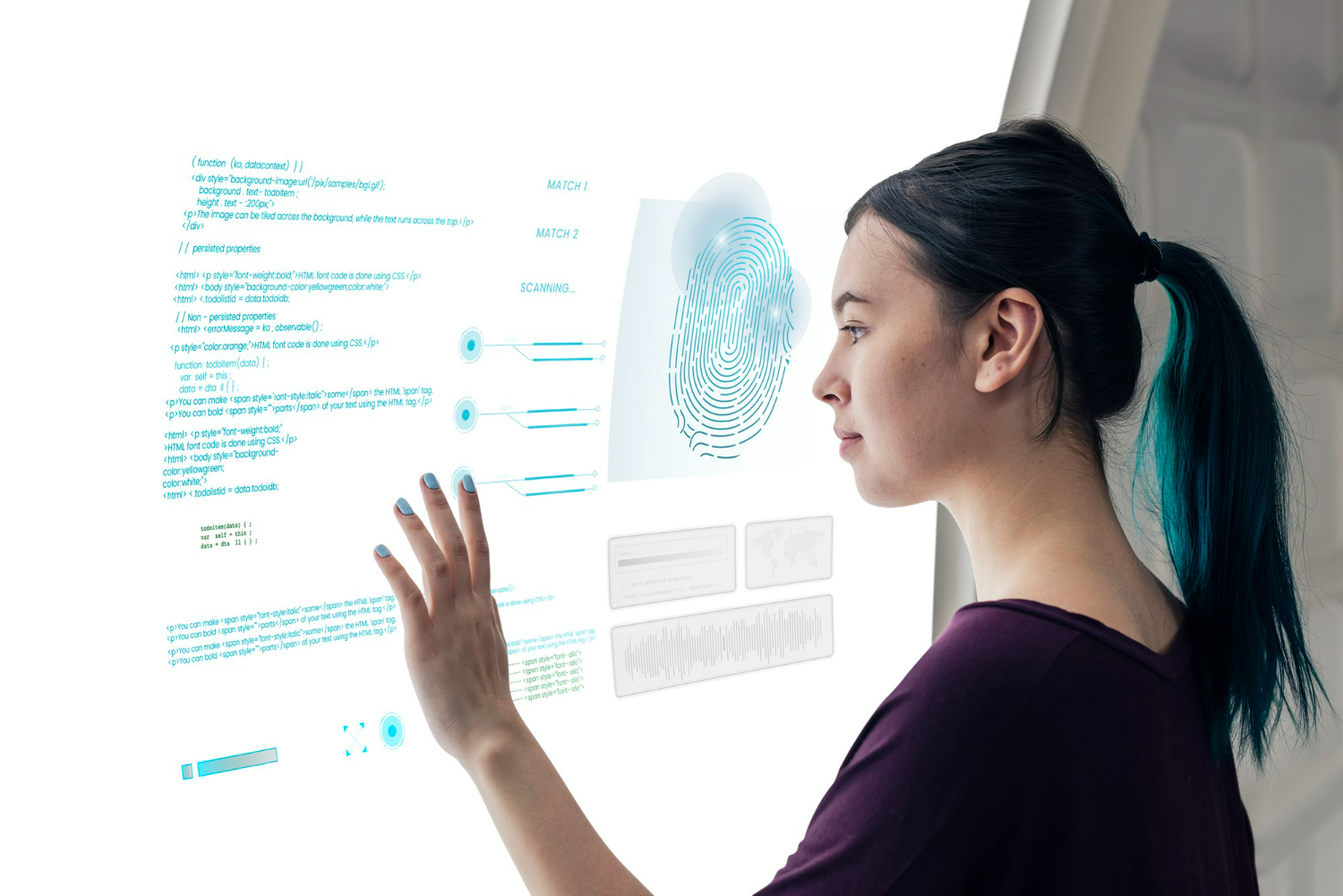
As societies move deeper into digital governance, digital identity has emerged as a critical and contested issue. Governments and corporations increasingly rely on digital identification systems to deliver services, verify users, and manage data. While these systems promise efficiency, they also raise fundamental questions about privacy, consent, and power.
Digital identity programs are expanding rapidly, particularly in developing economies where governments seek to streamline welfare distribution and reduce fraud. In theory, digital identification can improve access to services and enhance transparency. In practice, implementation often reveals gaps that disproportionately affect vulnerable populations.
Concerns around data security remain central. Large centralized databases create attractive targets for cyber attacks and misuse. Once compromised, digital identities are difficult to restore, unlike physical documents. This permanence heightens the stakes of failure.
There is also the issue of surveillance. Digital identity systems can enable unprecedented tracking of individuals across services and platforms. Without robust legal safeguards, the boundary between service delivery and social control can blur. Civil liberties groups warn that such systems may be used to suppress dissent or exclude marginalized groups.
From a global perspective, digital identity reflects broader tensions between innovation and rights. Some countries emphasize convenience and efficiency, while others prioritize privacy and decentralization. The absence of international standards creates fragmentation and uncertainty.
For journalists, digital identity is not merely a technical subject. It sits at the intersection of governance, human rights, and technology. Reporting must move beyond functionality to examine who controls data, who benefits, and who bears the risks.
As digital identity becomes embedded in everyday life, the challenge for societies will be ensuring that technology serves citizens rather than defining them. The outcome will shape the future relationship between individuals and the state.

Related Posts
